
wheel Tracking
Accurate front-wheel tracking to correct toe alignment, reduce tyre wear, and improve steering performance.
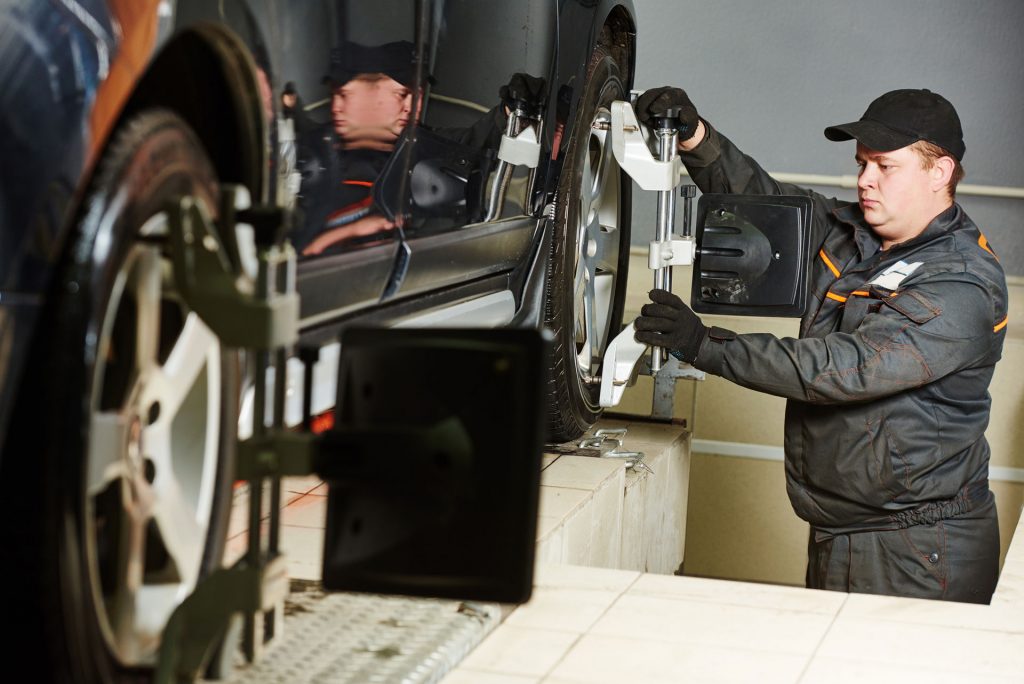
Professional Wheel Tracking Service in Ryde
Wight Tyres offer fast and accurate front-wheel tracking for cars, vans and commercial vehicles across the Isle of Wight. Our technicians use precise toe-alignment equipment to ensure your wheels are positioned correctly, helping your vehicle drive straight, reduce friction, and improve overall handling.
Whether you’ve noticed uneven tyre wear, pulling to one side, or a vague steering feel, our wheel tracking service provides a quick and affordable solution to restore correct alignment and protect your tyres.
What Is Wheel Tracking and Why Does It Matter?
Wheel tracking refers to adjusting the toe angle of the front wheels so they point in the correct direction relative to each other and the vehicle. If the tracking is out, even slightly, your tyres scrub across the road surface instead of rolling freely.
This leads to accelerated tyre wear, reduced fuel efficiency, vague steering feel and the car drifting to one side. Our precise toe-alignment tracking ensures your vehicle drives straight, handles properly and preserves tyre life.
What are the signs that I need wheel tracking?
You may need front-wheel tracking if you notice any of the following:
- Your vehicle pulls or drifts to one side when driving straight
- The steering wheel isn’t centred
- Uneven or rapid tyre wear
- Tyre wear on the inner or outer shoulders
- Steering feels loose or vague
- You hear a light scuffing or squealing from the tyres during turning
- Your car feels unstable or imprecise at speed
If you spot any of these symptoms, getting your wheel tracking corrected early can save money on tyres and improve overall driving safety.
Causes of Poor Wheel Tracking
Incorrect wheel tracking is often caused by everyday driving factors such as:
- Hitting potholes or rough road surfaces
- Clipping a kerb when parking
- Driving over speed bumps too aggressively
- Regular wear in track rod ends or steering components
- Suspension changes or part replacements
- Normal ageing of steering joints
Even a minor impact can shift the toe angle slightly, which is enough to affect handling and tyre wear.
What’s the Difference between Wheel Tracking vs 4 Wheel Alignment.
Wheel tracking adjusts only the front wheels, specifically toe alignment.
4 wheel alignment, especially 3D digital alignment, measures and adjusts camber, caster and toe on all four wheels using advanced imaging.
Tracking is quicker and cheaper but more limited. Full 4 wheel alignment gives a more complete geometry correction.
How Often Should Wheel Tracking Be Checked?
We recommend checking tracking:
- Every 6–12 months as part of routine maintenance
- Whenever tyres are replaced
- After any steering or suspension repair
- After hitting a kerb or large pothole
- If the car shows signs of drifting or uneven tyre wear
Regular checks extend tyre lifespan and ensure safe, predictable handling.
Vehicle Maintenance With Low Price!
CALL WIGHT TYRES TODAY TO SEE HOW WE CAN HELP YOU.